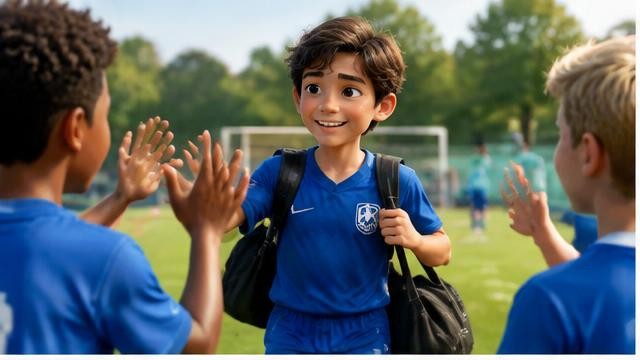
SETTING THE TONE
THE PLAYER'S STANDARD
Effort, attitude and bouncing back when the game gets harder
NEXT PLAY. EVERY TIME.
A guide for athletes in boys' youth sports, ages 8-12
1 / 15
A guide for athletes in boys' youth sports, ages 8-12
A guide for athletes in boys' youth sports, ages 8-12
At your age, the game gets faster and the practices get harder. That is a good sign — it means you are ready for more.
Your parents can drive you and cheer for you, but the work on the field belongs to you.
Being responsible means packing your gear and owning your effort—not handling every hard problem alone.
“I control my effort and my attitude. Always.”
Choose one job you will own and one trusted adult you will go to for help.

You are going to make a mistake in front of everyone. It stings. It is also temporary.
Build a reset: breathe out, say “next play,” and get your eyes back up. Ten seconds, every time.
After an error, breathe out, say what happened without insulting yourself, and choose one cue: ‘eyes up,’ ‘move feet,’ or ‘next job.’
“That one's gone. Next play.”
Use the same three-step reset in practice until it feels automatic.
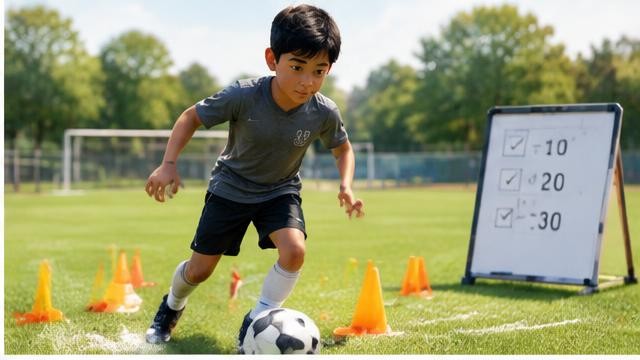
Games show what you already have. Practice is where you add to it.
Pick one thing to improve each week and go after it, even when nobody is watching.
Instead of ‘get better,’ choose something visible: complete eight accurate attempts out of ten with safe technique.
“This week I'm working on one thing.”
Ask Coach for one measure and record it twice this week.
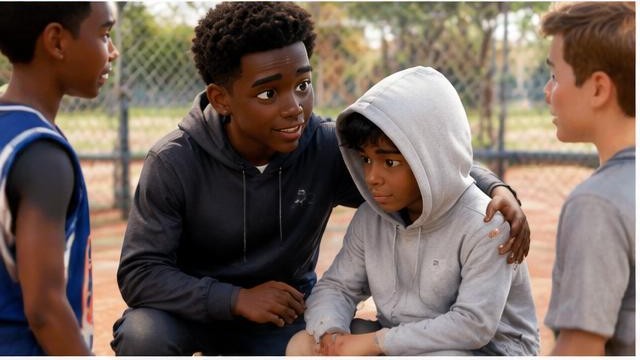
Talent gets you on a team. Being a great teammate keeps you in the middle of it.
Encourage the player who is struggling. You will need that same voice someday.
Joking stops being joking when one person is always the target. Say ‘That’s not okay,’ stand with them, save online messages, and tell an adult if it repeats.
“I got you. Keep going.”
Check on the teammate privately and involve an adult when the behavior does not stop.

Nerves mean you care. Almost every good athlete feels them before a big game.
Slow your breathing. Focus on the very next thing you have to do — not the whole game at once.
When your stomach flips before competition, do not fight the feeling. Breathe slowly, feel your feet, and name only your first job.
“Just this play. Then the next one.”
Practice your reset three times before the next event, not only when nervous.
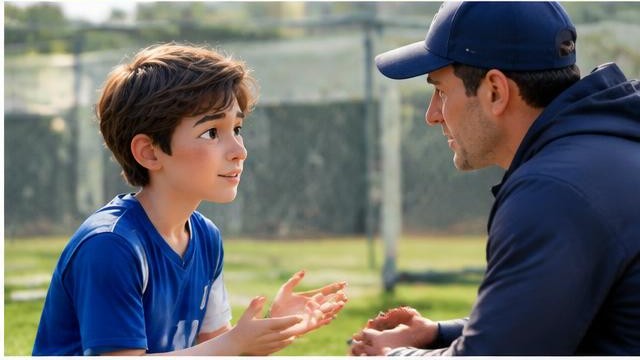
If you want more time on the field, ask the right question: not “why don't I play more,” but “what do I need to improve?”
Ask at the right moment—after practice, not in the middle of a game. Coaches evaluate more than one performance: they see your practice effort, preparation, response to correction and how you act when another teammate has the role you want.
A demanding coach may repeat a correction, hold you to a clear standard, or ask for focused effort because they believe you can improve. That is different from insults, humiliation, threats, discrimination, unsafe demands, or retaliation.
“Coach, how can I improve my opportunities?”
Ask, ‘What would doing that well look like on the next repetition?’ Match extra teaching with attention, honest effort, and one visible adjustment.

School, friends, sleep and rest all make you a better player, not a less committed one.
If the sport ever stops being fun, that is worth saying out loud to someone who loves you.
If you dread practice for weeks, cannot sleep, or stop enjoying things you normally like, tell a parent, coach, counselor, or health professional.
“I can love this and still need a break.”
Use the words ‘I need help because this has lasted more than a few days.’
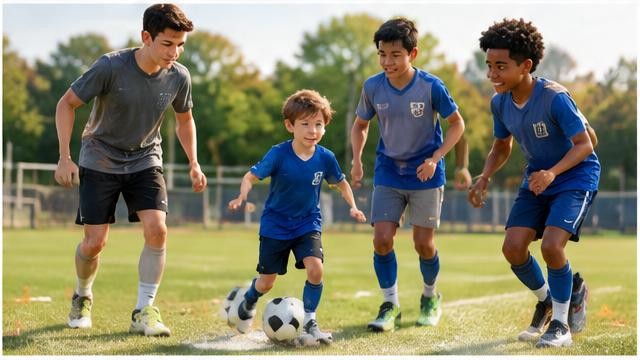
Right now, two players your exact age can be years apart in how their bodies have developed. Somebody on your team grew six inches over a summer. Somebody else hasn't started yet. Neither of you picked that.
Here's what most kids never get told: growing early is a temporary advantage. Growing later often means you had to learn real skill — footwork, timing, reading the play — because you couldn't just be bigger. That skill doesn't go away when you finally grow.
So the question isn't “am I behind?” It's “am I still here, still working, when my body catches up?”
You may feel clumsy during a growth spurt. Slow the skill down, ask for coaching, and compare yourself with your earlier self.
“I'm not behind. I'm on my own clock — and I'm still working.”
Track one skill for four weeks instead of ranking your body against teammates.

You will meet someone who is stronger or faster than you. There are two ways to handle it: make them smaller, or get better. Only one of those actually works.
Saying “they have a great skill” doesn't cost you your own skill. Pointing out what a teammate is great at doesn't subtract anything from you. And every single person out there — including the best player in the competition — is still working on something.
You can admire another athlete and still compete hard. Ask what they practice, then bring one useful idea into your own work.
“You're one of the strongest athletes here. Show me how you train.”
Give one honest compliment and ask one learning question this week.
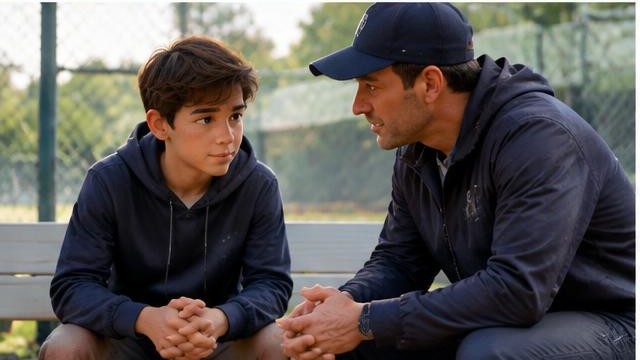
Wanting to play more is not a complaint — it's normal. But how you ask decides what you get back. “Why don't I play more?” sounds like an accusation. “What do I need to do to play more?” sounds like an athlete.
Timing matters as much as wording. Not during a game. Not right after one. Wait a day, catch your coach before or after practice, and ask for two minutes.
Then do the hardest part: listen all the way through without defending yourself, write down what they said, and actually work on it. Check back in a few weeks. That follow-up is what coaches remember.
A role decision may disappoint you even when the explanation is fair. Payment does not buy a position, and one great game does not erase weeks of practice evidence. Coaches also notice preparation, effort, response to feedback, and how you support the team when you are not playing.
“Coach, what do I need to do to earn more time on the field?”
Ask, ‘How can I improve my opportunities?’ Make a three-week plan with one skill goal and one team-behavior goal.

When you are upset, your first sentence can decide whether a conversation opens or closes. Wait until you can speak calmly, describe what happened without attacking anyone and ask for information you can use.
You can handle many role, feedback and teammate conversations with practice. Bring in a trusted adult for threats, repeated bullying, discrimination, injury, unsafe behavior or a problem that does not stop.
A teammate will not pass to you. Instead of accusing them during play, ask later, ‘I felt left out of several plays. What were you seeing, and how can we connect better?’
“Here is what I noticed. Can you help me understand?”
Rehearse one opening sentence and one question with a trusted adult before the conversation.
Asking for feedback is the beginning. Write down the answer, choose one skill and one team habit, and work on them long enough for a pattern to become visible.
A coach may notice improvement before your role changes. Keep supporting the team, then return at the agreed time with evidence and another honest question.
Coach asks for stronger weak-side skill and better listening during instruction. You track both for three weeks and bring examples to the follow-up.
“Here is what I worked on. What do you see now?”
Make a simple weekly record: skill work, practice behavior and one lesson from feedback.
You will not control the score, the coach's decisions or the calls.
You will always control your effort, your attitude and how you treat your teammates. That is the whole standard.
Be the teammate you would want to have.