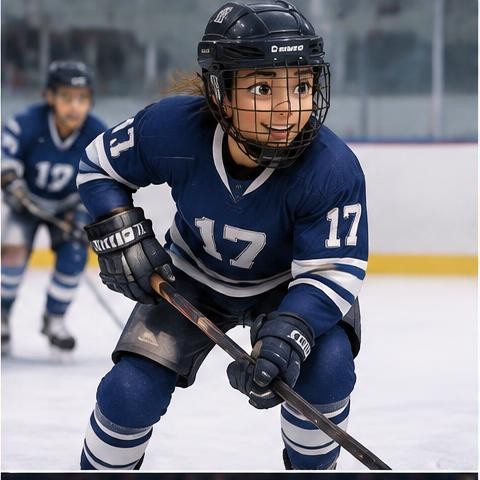
Be Coachable
Being coachable means participating in the exchange that helps you learn. You listen to feedback, work to understand it, and try an appropriate adjustment. You do not have to understand everything instantly or agree without thinking. A useful coaching relationship leaves room for questions, mistakes, and respectful conversation.
When a coach gives a correction, pause your explanation long enough to hear the whole message. Identify the action being requested. If the instruction is “stay balanced,” ask what that should look like in your feet or body position. A clear question helps more than nodding when you are unsure. You can say, “Can you show me the first step?”
Then test the feedback during the next suitable repetition. Focus on one cue rather than changing everything at once. Afterward, describe what you noticed and ask whether the adjustment matched the goal. New movements can feel awkward before they become familiar. One unsuccessful attempt is not enough information to decide that a reasonable instruction cannot help you.
Coachable does not mean silent obedience to anything an adult requests. You can report that an instruction hurts, seems unsafe, or is not clear. You can also ask to discuss conflicting instructions away from the middle of a drill. Respect goes both ways. Listening and trying should help you learn, not require you to ignore your body or accept humiliation as the price of belonging.
One step before the pass
Ben keeps receiving passes with skates facing the boards. When the coach suggests opening the hips earlier, Ben starts explaining that the pass was late. Ben stops, asks for a demonstration, and repeats the movement slowly in the designated drill area. The first attempt is clumsy, and the puck gets away. Ben tells the coach the turn felt too wide. Together they choose a smaller first step. The next reception is easier to control. Ben still needs reminders during the scrimmage, but there is now a specific adjustment to return to instead of a debate after every missed pass.
Listen carefully, clarify the instruction, and give useful feedback an honest try.
- What makes feedback easier for you to understand?
- How can a question show that you are listening rather than resisting?
- Which listening habit will you practice next time you receive a correction?
Listen, clarify, try
- At your next practice, let one piece of feedback finish before responding. Repeat the action you think the coach wants in your own words.
- Ask one concrete question if needed, then try the cue during the next appropriate drill repetition. Tell the coach if it causes pain or feels unsafe.
- Before leaving practice, share what you noticed and ask what to keep working on. Thank the person for a specific piece of useful guidance.
RELATED — Accountability Is Leadership · Build Accountability Without Humiliation · Communicate Playing-Time Decisions
- 1 · NOW YOU UNDERSTAND —
- Listening, asking for clarification, and trying feedback help you learn while allowing you to share what you notice.
- 2 · REMEMBER THE STANDARD —
- Hear the guidance, clarify it, and give it a thoughtful try.
- 3 · PRACTICE IT —
- At your next practice, clarify one instruction, try it, then thank the person for one useful piece of guidance.
Check after the lesson was delivered and discussed. This mark is saved in this browser on this device only. It is not sent to a coach, team, school or organization, and no central record is kept.