Recognize Effort, Growth, and Character
What you notice tells athletes what counts. If recognition goes only to leading scorers and standout results, quieter contributions can disappear. Broaden your attention to preparation, helpful communication, skill improvement, honest repair, and thoughtful decisions. Be specific: “You moved to give your teammate a clear passing option” teaches more than “Great hustle.” Recognition should connect a choice to its effect rather than assign a permanent label such as natural star or perfect teammate.
Effort deserves attention, but effort alone is not the whole learning process. Notice effective strategies, appropriate persistence, and willingness to change an approach. “You slowed the drill down, checked your foot placement, and then increased speed” identifies something repeatable. Avoid praising exhaustion or rewarding an athlete for ignoring discomfort. Rest, recovery, and asking a question can also be responsible actions. Productive work is not always the work that looks most intense.
Make recognition equitable without making it artificial. Keep a simple attention log for a week to see which athletes you name and what behaviors you notice. Do not manufacture praise to complete a quota; improve your observation opportunities instead. Ask whether an athlete prefers public acknowledgment or a quiet word. Avoid comparisons such as “Why can’t everyone work like Priya?” They can turn one athlete’s positive moment into pressure and resentment for others.
Invite athletes to notice teammates through evidence, not popularity contests. Ask, “Who made someone else’s job easier, and how?” Keep stories brief and allow athletes to pass. Recognize repair after a mistake without implying the original harm was acceptable. Over time, reduce reliance on prizes by asking athletes what progress they can see themselves. Your goal is a team that understands its values in action, not a group waiting for an adult to award approval after every repetition.
The unnoticed relay work
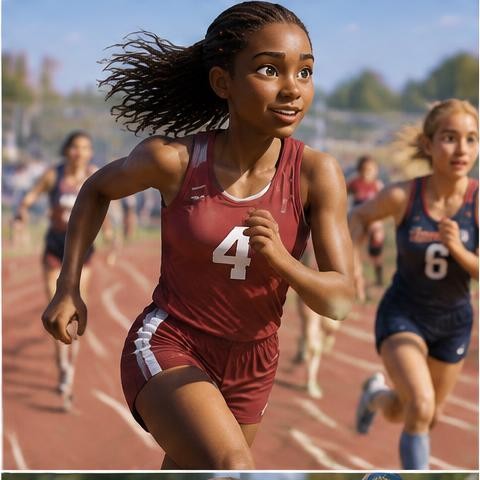
At a relay practice, the fastest runner receives most of the team’s attention. Coach James notices that reserve runner Elena checks the exchange marks, returns equipment, and asks her partner which cue helps. During a break, James quietly says, “Your question made that exchange easier to practice. That is useful teamwork.” Elena prefers not to be singled out publicly. At the session’s end, James asks everyone to name a helpful action they observed, with the option to pass. Several athletes describe clear calls and patient demonstrations rather than fast times. The next practice still includes awkward exchanges. James continues teaching the skill, while the group has more language for the contributions that support it.
Recognize the useful action so athletes know what to repeat.
- Which valuable contributions are hard to see from your usual position?
- When does your praise reward looking busy rather than learning effectively?
- What overlooked action will you deliberately watch for at the next practice?
Your next coaching move
- Across your next two practices, keep a brief tally of whom you recognize and why. Look for missing athletes and overreliance on results rather than useful actions.
- This week, give three specific acknowledgments of different behaviors: a changed strategy, a helpful teammate action, and a responsible preparation choice. Ask about public versus private preferences.
- At your next team reflection, invite evidence-based appreciation without requiring every athlete to speak. Follow it with a question about progress athletes can recognize for themselves.
RELATED — Celebrate Effort and Improvement · Bring Your Energy · Character Over Recognition
- 1 · NOW YOU UNDERSTAND —
- Specific recognition shows athletes which helpful choices, skill growth, and thoughtful contributions are worth repeating.
- 2 · REMEMBER THE STANDARD —
- Praise observable actions and their effects, not rankings or risky persistence.
- 3 · PRACTICE IT —
- Across your next two practices, track whom you recognize and why, then acknowledge three different useful behaviors without comparing athletes.
Check after the lesson was delivered and discussed. This mark is saved in this browser on this device only. It is not sent to a coach, team, school or organization, and no central record is kept.