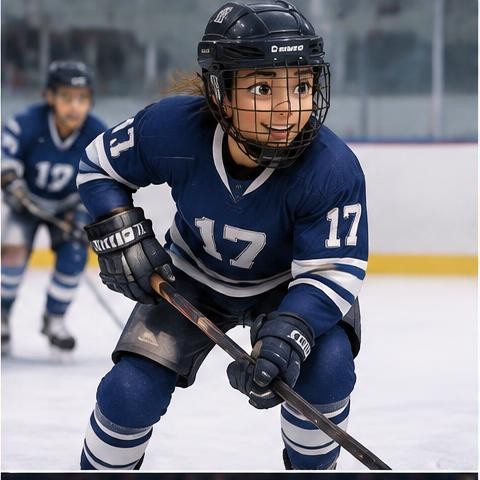
Develop Captains and Emerging Leaders
Naming a captain does not teach leadership. Young athletes need explicit instruction in listening, including others, modeling routines, and speaking respectfully under pressure. Describe the role through actions rather than personality traits. A loud voice or strong performance does not automatically mean an athlete can guide teammates. Say, “Your job is to help teammates know the next useful action, not to control them.” Keep adult responsibilities firmly with adults.
Choose leaders through a transparent process suited to your setting, and explain what the role does and does not permit. Athlete input can provide valuable information, but an unexplained popularity vote can overlook quieter contributors. Offer rotating responsibilities so athletes can practice leadership without a title. Welcoming newcomers, organizing a warm-up with supervision, or gathering questions for a team meeting are concrete ways to serve. Ensure access is not limited to starters or older athletes.
Teach exact language for difficult moments. A captain can say, “Let’s reset and hear the instruction,” or “You have been quiet; do you want to add anything?” They should not investigate allegations, assign punishments, manage injuries, or mediate threatening conflicts. Tell them, “Bring safety concerns to me or another trusted adult. You do not need to solve those yourself.” Leaders need permission to seek help without being accused of disloyalty.
Meet briefly and regularly to practice scenarios and reflect. Ask what they noticed, whose perspective is missing, and what support they need. Give feedback on specific actions: “You invited the new player into the discussion before giving your opinion.” Avoid making captains responsible for the team’s entire attitude or results. When a leader makes a mistake, use the same fair accountability process you use for everyone. Leadership development includes receiving correction and making repairs.
A quieter leader takes a turn
Coach Morgan notices captain Eli doing all the talking while new players wait for directions. Before practice, Morgan asks Eli and reserve defender Sam to plan a two-minute equipment check together. Sam is quiet but organized. Morgan gives them a question to use: “Who still needs help getting ready?” rather than instructions to boss teammates around. At the next session, Sam notices a newcomer without a properly fitted piece of equipment and brings the issue to Morgan. Eli waits for everyone before starting the supervised warm-up. Their team still has a messy transition later, which they review afterward. Morgan praises the specific helpful choices and gives another pair the next leadership assignment.
Teach leadership as service, not status.
- Who contributes leadership that your current selection process overlooks?
- Which responsibilities have you placed on captains that belong to adults?
- What supported leadership opportunity will you offer a new athlete this week?
Your next coaching move
- This week, write a captain role card with three service behaviors and clear adult-only responsibilities. Review it with current leaders and invite questions about boundaries.
- At your next two practices, rotate one small leadership task among athletes who do not usually receive public responsibility. Provide a model and a short debrief.
- Before the next contest, rehearse one reset phrase and one help-seeking phrase with your captains. Schedule a five-minute check-in afterward about what they noticed.
RELATED — Give Back and Lift Others · We Over Me · Be a Great Teammate From Any Role
- 1 · NOW YOU UNDERSTAND —
- Leadership is a set of teachable service behaviors, while safety, discipline, and other adult responsibilities stay with coaches.
- 2 · REMEMBER THE STANDARD —
- Give emerging leaders clear boundaries and rotate chances to contribute.
- 3 · PRACTICE IT —
- Write a captain role card with three service behaviors and adult-only responsibilities, then review it with current leaders and invite questions.
Check after the lesson was delivered and discussed. This mark is saved in this browser on this device only. It is not sent to a coach, team, school or organization, and no central record is kept.