Be the Example in the Stands
Your child notices more than the words you shout. They may see eye rolls, pacing, conversations about teammates, and what you post afterward. These signals can make the event feel welcoming or make them worry about your reaction. Your job in the stands is not to run a second bench. Offer encouragement that does not direct play: ‘Keep supporting each other’ rather than ‘Pass it now!’
Prepare for your own reactions before the event starts. Eat if you need to, choose a comfortable spot, and decide what you will do when frustration rises. You might unclench your hands, take a slow breath, or move to a quieter viewing area while keeping appropriate supervision arrangements. Avoid joining gossip about children or predicting which athlete will cost the team the game. Silence is often more helpful than a comment you need to repair later.
If you slip, take responsibility without making your athlete comfort you. Say, ‘I shouted instructions today. That put my frustration into your game, and I’m sorry. Next time I’ll step back sooner.’ Do not add ‘but you weren’t listening.’ Invite honest feedback about your presence and accept that your child may prefer quieter support or no public posts. The example includes how you treat staff, visiting families, and the people cleaning up after everyone leaves.
A quieter corner
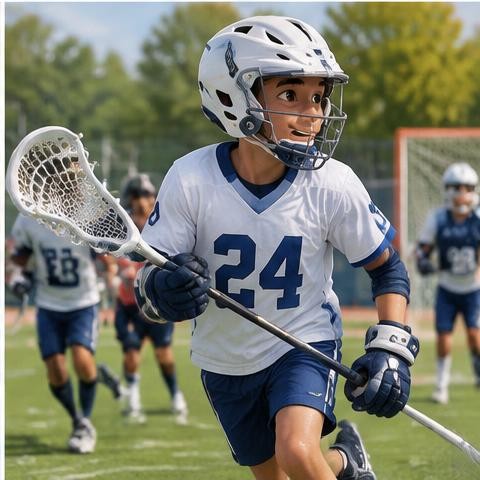
At an eight-year-old lacrosse game, Tessa hears another parent criticize a child who keeps dropping passes. She starts to answer with her own opinion, then notices her son looking toward the group instead of the field. Tessa says, ‘They’re learning. I’m going to watch from over there,’ and moves without starting an argument. Afterward, her son says he gets distracted when adults shout his name with instructions. Tessa thanks him instead of explaining that she only wants to help. At the next game, she keeps her comments brief and encouraging. He still glances over occasionally, but he no longer has to sort her directions from the coach’s instructions.
Make your sideline behavior something your child never has to manage.
- What does supportive cheering sound like to each of us?
- How can adults notice when their own reactions are taking over?
- Which sideline habit will I practice at the next event?
Make a sideline plan
- Before the next event, ask your child what kind of cheering they like and whether photos or public posts are welcome.
- Choose one reset action for yourself and one brief, nontechnical cheer. Use the reset as soon as you notice tension, not after an outburst.
- After the event, review your own behavior before discussing any athlete’s performance. If you crossed a line, apologize specifically and name the change you will make next time.
RELATED — Humility in Success · Set Standards for Parents and Sidelines · Set the Example
- 1 · NOW YOU UNDERSTAND —
- Your sideline reactions shape your child’s experience, so supportive presence means managing your own emotions and respecting their preferences.
- 2 · REMEMBER THE STANDARD —
- Let your child play without managing adult reactions.
- 3 · PRACTICE IT —
- Before the next event, ask what cheering they prefer, choose a brief nontechnical cheer, and use a reset when tension rises.
Check after the lesson was delivered and discussed. This mark is saved in this browser on this device only. It is not sent to a coach, team, school or organization, and no central record is kept.