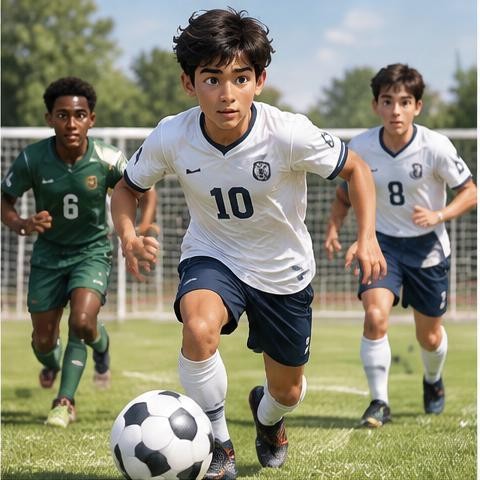
Finish Strong
Finishing strong means staying connected to a useful purpose through the end of our work. That applies when we are ahead, behind, or tired of repeating a difficult skill. It does not require a dramatic comeback or a perfect final play. We can finish by keeping our assignment, making a thoughtful decision, or completing the last repetition with attention. The score may be beyond our control. Our choices still affect teammates, opponents, and what we carry into the next practice.
Late in a game, choose one controllable job instead of trying to fix everything at once. It might be staying organized on defense, using the agreed communication, or making a smart pass. When we are ahead, finishing with purpose includes respecting opponents and following the plan rather than showing off. When we are behind, it includes resisting reckless shortcuts. Frustration does not excuse dangerous contact, and urgency does not turn a poor decision into a team contribution.
We also need to distinguish persistence from ignoring limits. Fatigue can change attention and movement; pain, dizziness, or unusual exhaustion require speaking up and appropriate support. Coaches should use substitutions, rest, and adjusted activity when needed. Finishing as a team means helping the group complete the task safely, not demanding that every athlete stay in no matter what. After play ends, our responsibility continues through the team’s closing routine: listen, gather equipment, and leave the space ready for others.
Three Goals Down
With six minutes left in a soccer match, Laila’s team trails by three goals. Players begin chasing the ball individually. At a stoppage, Laila asks the midfield to stay connected and calls the next marking assignments. The coach sets a simple goal: recover together and make a controlled first pass when they win the ball. The team does not score again. They do put together two organized possessions instead of repeatedly losing the ball while rushing forward. When a teammate reports a sharp ankle pain, the coach replaces her and arranges a check. After the final whistle, Laila helps gather pinnies. Their finish is not a victory story; it is evidence that their decisions can remain purposeful during a disappointing result.
Compete with purpose to the final whistle.
- What can a strong finish look like when the result will not change?
- How do we tell purposeful persistence from a reckless shortcut?
- Which responsibility will you keep attending to late in our next game?
One Job to the End
- Before the final segment of the next practice, choose one observable team behavior to maintain, such as organized recovery or an early coverage call. Make sure everyone understands it.
- During that segment, use a brief reminder when attention slips. Follow planned breaks and report concerning symptoms instead of treating the challenge as a test of who can ignore their body.
- In the closing huddle, name one moment when the behavior held and one when it faded. Complete the equipment routine together, then choose a specific adjustment for the next practice ending. Keep your example specific enough that a teammate could recognize the action.
RELATED — Earn Your Role · Finish What You Start · Take Ownership of Your Improvement
- 1 · NOW YOU UNDERSTAND —
- Finishing with purpose means keeping a shared behavior in focus while respecting breaks and signs that need attention.
- 2 · REMEMBER THE STANDARD —
- Stay attentive through the final segment without ignoring your body’s needs.
- 3 · PRACTICE IT —
- Choose one team behavior before practice’s final segment, use a brief reminder when it slips, and report concerning symptoms.
Check after the lesson was delivered and discussed. This mark is saved in this browser on this device only. It is not sent to a coach, team, school or organization, and no central record is kept.