The Next Play Mentality
We will all have plays we want back. A missed assignment, dropped pass, or rushed decision can bring disappointment fast. That feeling is not a weakness, and nobody needs to pretend it feels good. The next play mentality means noticing what happened without letting it take over everything that follows. We can be frustrated and still make a useful choice. Our response is a skill we can practice together, not a personality some teammates have and others lack.
After an error, try a short reset: breathe out, find the action, and name your next job. Your job might be getting back into position, covering a teammate, or listening for the next instruction. Choose something you can actually do, not a demand like never mess up again. If play is moving, keep your eyes on it and make the reset brief. During a stoppage, there may be more time to ask a question or settle yourself.
As teammates, we help by offering information rather than a verdict. Say who needs covering or where to move instead of groaning, replaying the mistake, or demanding instant confidence. A reset does not erase responsibility. We can review the decision at an appropriate break and practice a better response later. Right now, the team needs our attention available. Coaches can model that distinction by giving one clear next instruction instead of stacking criticism onto a player who is already struggling.
Back on Defense
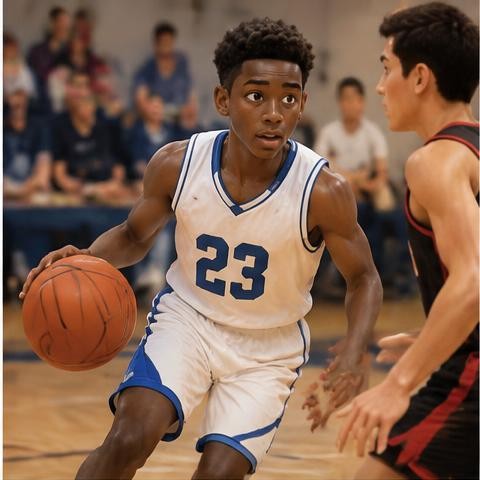
With two minutes left in a close basketball game, Maya throws a pass that gets intercepted. She stops near half court, looking at her hands. Her teammate Eli calls, “Maya, cover the corner!” Maya exhales, turns, and picks up the open shooter. The opponent still scores on a difficult drive, but the corner pass is no longer available. Maya’s recovery helped even though it did not stop the basket. At the next timeout, Maya tells the coach she forced the pass before checking the defender. They agree on a safer option. Eli does not make a speech about forgetting it; he asks which player Maya has on the next possession. She answers and returns with a specific job rather than a promise to be perfect.
One play doesn’t define you. Your response does.
- What can frustration make us miss on the next play?
- Which teammate words help you refocus without feeling dismissed?
- What will your first useful action be after your next mistake?
Reset and Rejoin
- At today’s huddle, take one minute to choose a reset cue of three words or fewer. Practice saying it quietly while you exhale and look toward the action.
- At the next practice, use your cue after a normal drill mistake. Rejoin the drill safely and complete one useful job before judging how well your reset worked.
- Before practice ends, pair up and describe what helped you return your attention. Name one helpful teammate response, and agree to use that response again this week. Keep your example specific enough that a teammate could recognize the action.
RELATED — Control the Controllables · Learning From Losing · Teach Resilience After a Loss
- 1 · NOW YOU UNDERSTAND —
- A mistake can feel disappointing without taking your attention away from the useful choice that comes next.
- 2 · REMEMBER THE STANDARD —
- Breathe, find the action, and give the team one helpful next job.
- 3 · PRACTICE IT —
- Use a three-word reset cue after a drill mistake, then safely rejoin and complete one useful job.
Check after the lesson was delivered and discussed. This mark is saved in this browser on this device only. It is not sent to a coach, team, school or organization, and no central record is kept.