Resolve Conflict With Respect
Teammates will disagree about decisions, communication, and how work is shared. Conflict does not automatically mean the team is broken. What matters is how people handle it. Respectful resolution aims to understand the problem and agree on a next step. It does not require becoming close friends, deciding who is the better person, or winning an argument in front of the group.
Before talking, check safety and timing. If you are too angry to listen, ask for a pause and a specific time to return. Choose a calm, appropriate place where help is available, not an isolated confrontation or a group-chat pile-on. Start with an observation you can describe accurately: “When you changed our rotation without checking, I did not know where to go.” Avoid guessing motives.
Explain the effect, ask for the other person’s view, and let them finish. You may discover different instructions or a misunderstanding. You may still disagree. Keep the discussion tied to behavior and make a request both people can understand. “Let’s confirm changes with the coach before the drill” is more useful than “Start respecting me.” Summarize the agreement so you are not leaving with different plans.
Bring in a coach when you cannot resolve the issue, the same problem keeps returning, team roles need clarification, or you need support having the conversation. You can ask an adult to listen without demanding that they take your side. If there are threats, harassment, intimidation, or a major power imbalance, skip peer mediation and seek adult protection. Respect never requires handling danger alone or meeting privately with someone who scares you.
Two versions of the rotation
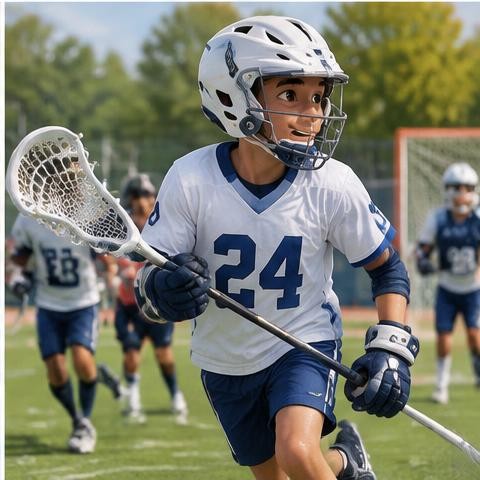
At lacrosse practice, Cam accuses Avery of skipping a turn in a passing drill. Avery snaps back that Cam never listens. After the drill, Cam wants to argue in the team chat but instead asks whether they can talk beside the coach’s station after water. Both agree to keep the conversation about the rotation rather than old complaints. Cam explains which turn he expected. Avery describes different instructions from the assistant coach. They ask the coach to clarify and learn that two groups were given different starting points. Both apologize for their personal comments and agree to check instructions sooner. The mix-up is resolved, but the coach also checks at the next practice that their communication has improved.
Work on the problem without attacking the person or ignoring safety.
- How can we describe a disagreement without deciding someone’s motives?
- What signs tell us a coach or another adult needs to be involved?
- What respectful request or repair will you practice this week?
Prepare a respectful repair
- This week, use a minor disagreement or an imagined practice mix-up to write one observation, its effect, and a specific request. Remove labels and claims about the other person’s intentions.
- If a real conversation is appropriate and safe, choose a calm time and a place with adult help nearby. Ask for the other perspective and summarize what you heard before responding.
- Agree on one next action and a time to check it. If agreement is not possible, ask a coach for support; if you feel threatened, contact a trusted adult without attempting the conversation.
RELATED — Be Coachable · Communicate Playing-Time Decisions · Communicate to Understand
- 1 · NOW YOU UNDERSTAND —
- Disagreement can be handled by describing behavior, listening to another view, and agreeing on a practical next step.
- 2 · REMEMBER THE STANDARD —
- Discuss the problem without labeling the person or guessing their intentions.
- 3 · PRACTICE IT —
- Write one observation, its effect, and a specific request for a minor disagreement, then summarize the next step you would agree on.
Check after the lesson was delivered and discussed. This mark is saved in this browser on this device only. It is not sent to a coach, team, school or organization, and no central record is kept.