Respect Is a Standard
Respect is easiest when the call goes our way and everyone agrees with us. Our standard matters most when we are annoyed, behind, or certain somebody is wrong. We can disagree with a decision without insulting a person. We can challenge an opponent without taunting them. We can ask a coach for clarification without attacking their character. Respect is not agreement or silence. It is a way of handling competition and disagreement that keeps people’s dignity and safety intact.
Make the standard visible in small details. Listen while a teammate speaks. Use people’s names correctly. Keep comments about the play rather than someone’s body, background, or ability to belong. Follow the sport’s procedure for questions to officials, and let the designated person ask calmly when that is the rule. Treat visiting players as people using the same space. Put equipment where it belongs and leave benches, locker rooms, and restrooms ready for the next group.
Respect also has boundaries. We do not owe silent cooperation to unsafe directions, discrimination, or humiliation. A player can step away from an escalating exchange and seek help. A coach’s position does not make abusive conduct acceptable. As teammates, we should avoid crowding around an argument or spreading it online afterward. We can check on the person affected and involve a trusted adult. Competing with respect includes knowing when the safest next action is to stop the interaction rather than win it.
A Disputed Throw-In
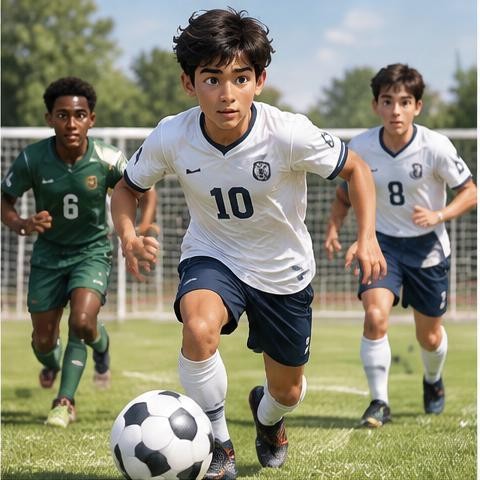
During a soccer match, Noah thinks the ball touched an opponent last, but the official awards the throw-in the other way. He starts toward the official with his arms raised. His teammate Amara points him toward their defensive shape and says they need him on the near side. Noah turns back into position instead of continuing the argument. At halftime, Noah asks the coach how the team should handle a rules question. The coach explains the competition’s process and reminds everyone not to surround an official. The call is not changed. After the match, Noah joins teammates collecting discarded bottles near the bench. Their frustration was real, but it did not become permission to insult someone or leave a mess for another group.
Respect teammates, opponents, officials, coaches, and facilities.
- How can we disagree without insulting or intimidating someone?
- What changes when a disagreement becomes a safety concern?
- Which respectful response will you practice when a call disappoints you?
Respect Under Pressure
- Before the next game, spend two minutes identifying one situation likely to frustrate us. Agree on a respectful sentence and a safe next action for that situation.
- During the game, practice returning attention to your assignment after a disputed call. If a concern involves safety or discriminatory behavior, report it to the coach rather than treating it as an ordinary disagreement.
- After the game, take one minute to check the team area together. At the next huddle, describe one respectful action you noticed when someone had a reason to be frustrated.
RELATED — Gratitude for the People Who Help You · Humility in Success · Respect in Every Room
- 1 · NOW YOU UNDERSTAND —
- We can disagree about a call or decision while protecting people’s dignity and speaking up about unsafe behavior.
- 2 · REMEMBER THE STANDARD —
- Keep disagreement respectful, and report threats or discrimination to a trusted adult.
- 3 · PRACTICE IT —
- Before a game, agree on a respectful response to a frustrating call and use it after one disputed decision.
Check after the lesson was delivered and discussed. This mark is saved in this browser on this device only. It is not sent to a coach, team, school or organization, and no central record is kept.