Gratitude for the People Who Help You
Gratitude is paying attention to help you might otherwise treat as automatic. A ride, a prepared field, a patient explanation, or a clean uniform all require someone’s time and effort. You can be proud of your own work while recognizing that you did not create every opportunity by yourself. Both things can be true.
The strongest thanks are specific. Instead of only saying “Thanks for everything,” name the action and its effect: “You explained that drill again, and I felt ready to try.” At school, notice a classmate who shares notes appropriately. At home, recognize planning as well as visible chores. At work, acknowledge the person who teaches you a procedure. In friendships, remember who listens without turning every conversation toward themselves.
Gratitude is not a debt that gives someone control over you. You can appreciate a ride and still speak up about unsafe driving. You can thank a coach and respectfully ask a question. You also do not need money, a gift, or public praise to express appreciation. A brief note, a sincere conversation, or taking care of a shared task can carry real meaning.
Before the Field Lights Go Off
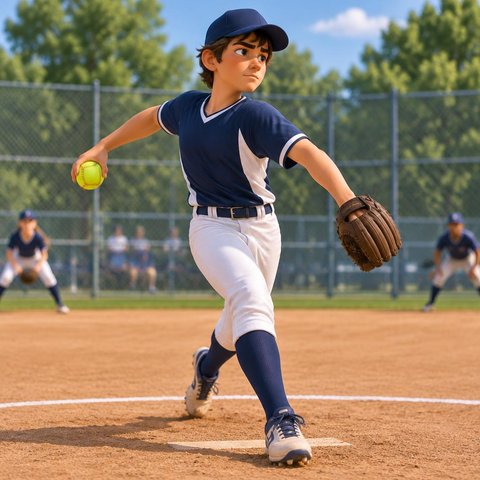
After a rainy softball game, Amara notices Mr. Lee folding the heavy field tarp while players head toward their rides. She had never thought about who handled it. With permission and adult direction, she helps collect the light equipment nearby. Before leaving, she thanks him for preparing the field so the team could play, naming the work rather than just the result. At school the next morning, Amara thanks a partner for explaining a missed lesson without making her feel embarrassed. At home, she asks what goes into organizing the family’s rides and takes over packing her own bag. During a youth-center volunteer shift, she acknowledges the staff member who taught her the check-in process. She also sends a friend a short message about how much their listening helped during a disappointing week.
Notice the help, name its impact, and show your thanks through action.
- Whose contribution have you started treating as automatic?
- How can appreciation and healthy boundaries exist together?
- Who will you thank this week, and what specific help will you name?
Notice the Unseen Work
- Over the next two days, list three people who make your participation possible. Include someone whose contribution usually happens before you arrive or after you leave.
- This week, thank each person privately or in a way they welcome. Name one specific action and explain how it helped; do not assume everyone enjoys public attention.
- Choose one age-appropriate task that reduces someone’s load at home, school, work, or practice. Ask first, complete it safely, and reflect on what you learned about their effort.
RELATED — Respect Is a Standard · Stop Comparing Athletes · Respect in Every Room
- 1 · NOW YOU UNDERSTAND —
- Many people contribute to your opportunities, and noticing their help can strengthen connection without pretending everything is perfect.
- 2 · REMEMBER THE STANDARD —
- Recognize a specific contribution and say thank you.
- 3 · PRACTICE IT —
- This week, tell one person who supports you exactly what they did that helped and why you appreciated it.
Check after the lesson was delivered and discussed. This mark is saved in this browser on this device only. It is not sent to a coach, team, school or organization, and no central record is kept.