Communication Wins
Communication is more than making noise. We need messages that help someone understand what is happening and what to do next. During play, that usually means a short call delivered early enough to matter. During instruction, it may mean listening without interrupting and asking a focused question afterward. We should not assume a teammate understands just because we said something once. Shared words, clear timing, and a quick check for understanding make our communication more dependable.
Use names or agreed signals when they help identify who needs the message. Describe the action instead of judging the person: call for coverage rather than accusing someone of never paying attention. Match the message to the moment. A long explanation belongs at a break, not while someone is tracking a ball. Teams should agree on simple terms and make sure newer players understand them. If a teammate needs a visual signal, a demonstration, or another communication adjustment, we can build that into the plan.
Listening is an active contribution. Look toward the speaker when it is safe, reduce side conversations, and repeat an important assignment in your own words when needed. Saying you are confused can prevent several confused repetitions. Coaches can welcome questions and check whether their directions were clear. When a message lands badly, repair it directly: explain what you meant, acknowledge the impact, and choose better wording. Clear communication is a shared responsibility, not a reason to mock someone’s voice, language, hearing, or processing speed.
Two Players, One Ball
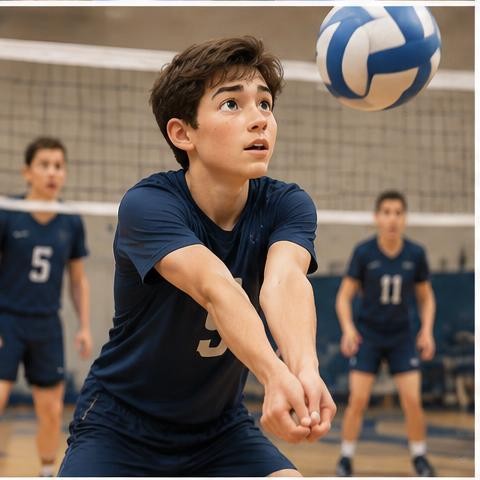
At volleyball practice, Sam and Priya both move toward a short serve, then both stop. The ball falls between them. Sam says Priya should have known whose ball it was. The coach pauses the drill and asks what information each player actually heard. Neither had made a call, and they were using different ideas about who owned that space. The group agrees on an early call and a backup responsibility. Sam and Priya repeat the plan to each other before the next serve. On the next attempt, Priya calls early and Sam moves to support. The pass drifts off target, but the hesitation is gone. They now have a skill to improve rather than an argument about what someone should have guessed.
Communicate clearly, usefully, and respectfully.
- What makes a message useful instead of just loud?
- How can we check understanding without embarrassing someone?
- Which communication habit will you deliberately practice next time?
Call, Confirm, Continue
- At the next practice, choose one common situation and spend two minutes agreeing on the exact short call or visual signal we will use. Ask everyone to explain what response it requests.
- Run five normal repetitions using that communication plan. Rotate who sends and receives the message, and pause if the signal is too late, unclear, or difficult for someone to access.
- At the water break, ask a partner what they heard rather than assuming. Adjust one word or timing detail, then test the change during the next set of repetitions.
RELATED — Communicate to Understand · Empathy: See It From Their Side · Be Coachable
- 1 · NOW YOU UNDERSTAND —
- Useful team communication is clear and timely, and listening confirms whether the message reached its teammate.
- 2 · REMEMBER THE STANDARD —
- Make a clear call, check what teammates heard, and adjust together.
- 3 · PRACTICE IT —
- Agree on one short call with a partner, run five practice repetitions, and ask what they heard at the water break.
Check after the lesson was delivered and discussed. This mark is saved in this browser on this device only. It is not sent to a coach, team, school or organization, and no central record is kept.