Own Your Mistakes
When something goes wrong, our first impulse may be to explain why it was not really our fault. Maybe the instructions were unclear or a teammate made an unexpected move. Those details can matter, but responsibility starts with the part we controlled. Owning a mistake means naming that part accurately and helping with what comes next. It does not require accepting blame for everything or calling ourselves bad players. We are describing an action we can change, not deciding our worth.
A useful response has three parts: name the action, acknowledge its effect, and identify a repair. We might say we missed the coverage call, left someone unsupported, and will repeat the assignment before the next restart. Keep it short enough that the team can keep working. Repeated apologies without changed behavior do not solve the problem. Neither does a dramatic promise that it will never happen again. A small, observable adjustment gives everyone something real to practice and evaluate.
Our response to someone else’s honesty matters just as much. If a teammate admits an error and we mock them, honesty becomes risky. Listen, clarify what is needed, and move toward the repair. Coaches should apply this standard to themselves by correcting unclear directions or mistaken judgments. Responsibility can be shared without becoming a blame contest. Later, when everyone can pay attention, we can review whether the repair worked and whether a team process also needs improvement.
The Missed Cutoff
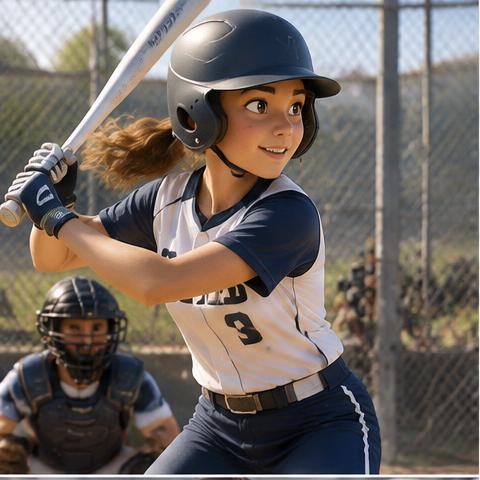
In a softball game, Keira throws toward home instead of using the cutoff player. The ball gets away, and another runner advances. In the dugout, Keira starts to explain that nobody called loudly enough. Then she pauses and says she did not check the cutoff before releasing the throw. The shortstop acknowledges that her own call was late, too. Between innings, the coach asks both players to state their jobs on the next ball to the outfield. Keira identifies her target; the shortstop practices an earlier call. Later, their relay is cleaner, although the runner still reaches safely. They have improved a decision and a communication habit rather than using the result to decide who deserves all the blame.
Admit it, learn, and make the next play.
- What is the difference between explaining a mistake and avoiding responsibility?
- How should we respond when a teammate admits an error?
- What repair will you practice for a mistake you sometimes repeat?
Name It and Repair It
- At today’s huddle, work in pairs for two minutes. Choose an ordinary sports mistake and practice naming the action without adding an insult or blaming another person.
- At the next practice, use one brief ownership statement when you genuinely miss an assignment. Add a specific repair you can attempt in the next repetition rather than promising perfection.
- Before leaving, check whether you tried the repair. If it did not help, ask the coach for one adjustment and give your teammate credit for any part of the solution they contributed. Keep your example specific enough that a teammate could recognize the action.
RELATED — Be Coachable · Correct With Purpose · Set Expectations on Day One
- 1 · NOW YOU UNDERSTAND —
- Taking responsibility means naming the part we controlled and trying a repair, not judging our worth or blaming others.
- 2 · REMEMBER THE STANDARD —
- State what happened clearly, then make one specific repair.
- 3 · PRACTICE IT —
- After a genuine assignment mistake this week, name your action briefly and try one repair in the next repetition.
Check after the lesson was delivered and discussed. This mark is saved in this browser on this device only. It is not sent to a coach, team, school or organization, and no central record is kept.